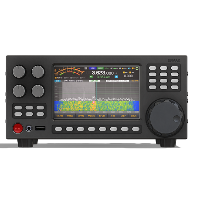





Latency measurement in remote (EAX, USB) and local modes and comparison with Flex radio (DAX v2)
Last modified by UT2UK on 2026/05/07 13:46
Internal latency measurement of the ERMAK-TT transceiver
- Transmit mode (microphone input -> RF output): 49ms
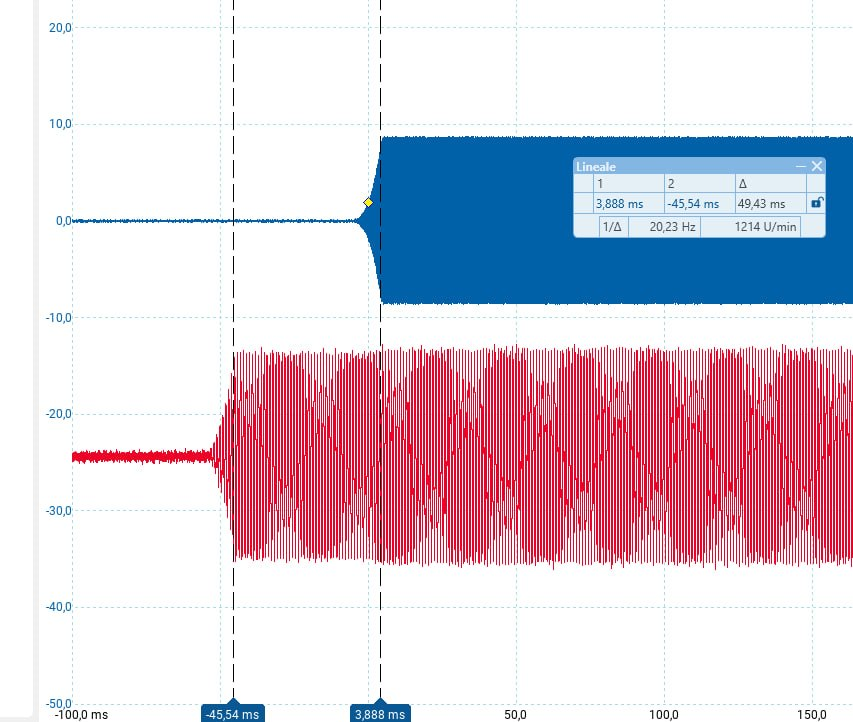
- Receive mode (RF modulator output -> headphone output): 52ms
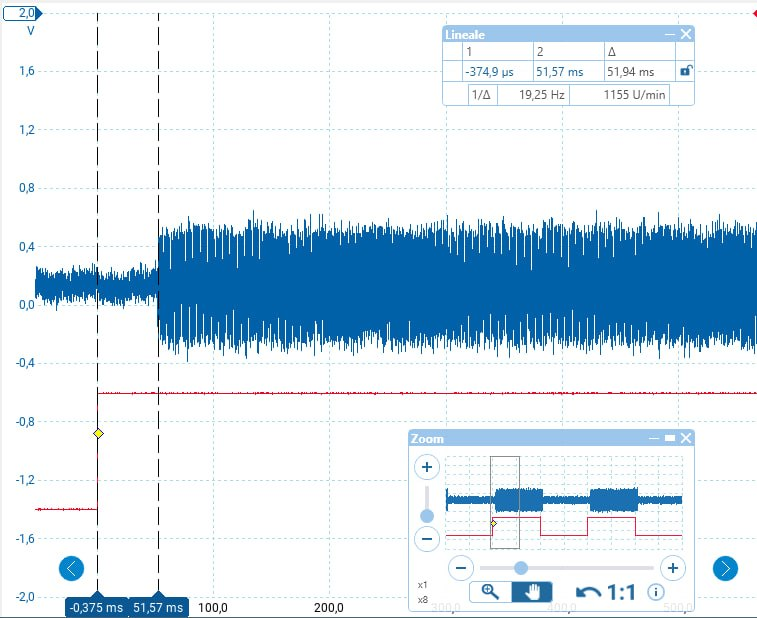
Internal latency measurement of FLEX radio
- https://community.flexradio.com/discussion/8027536/signal-in-to-audio-out-rf-to-audio-latency
- https://www.n1kdo.com/sdr-delay-measured/
- https://community.flexradio.com/discussion/6865953/
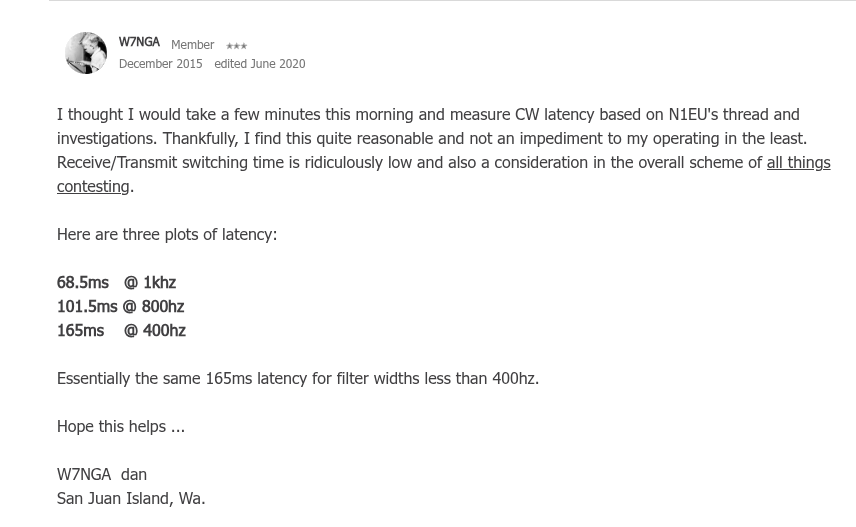
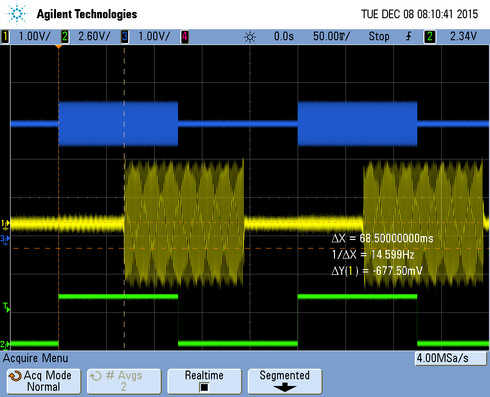
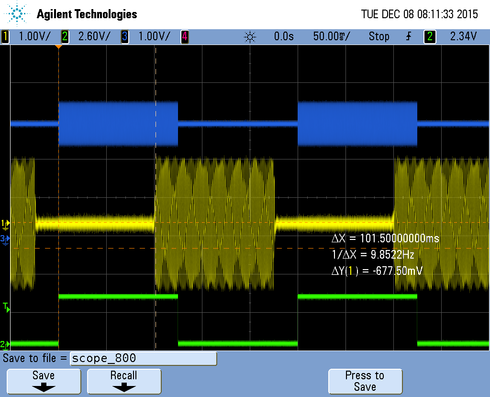
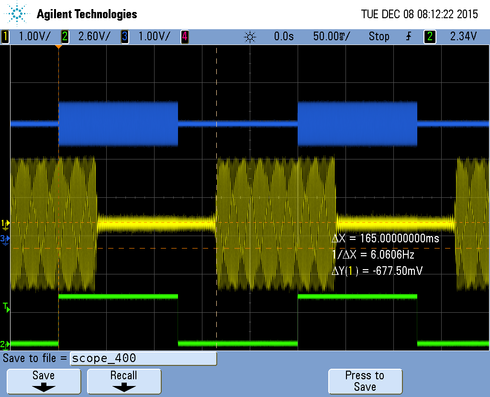
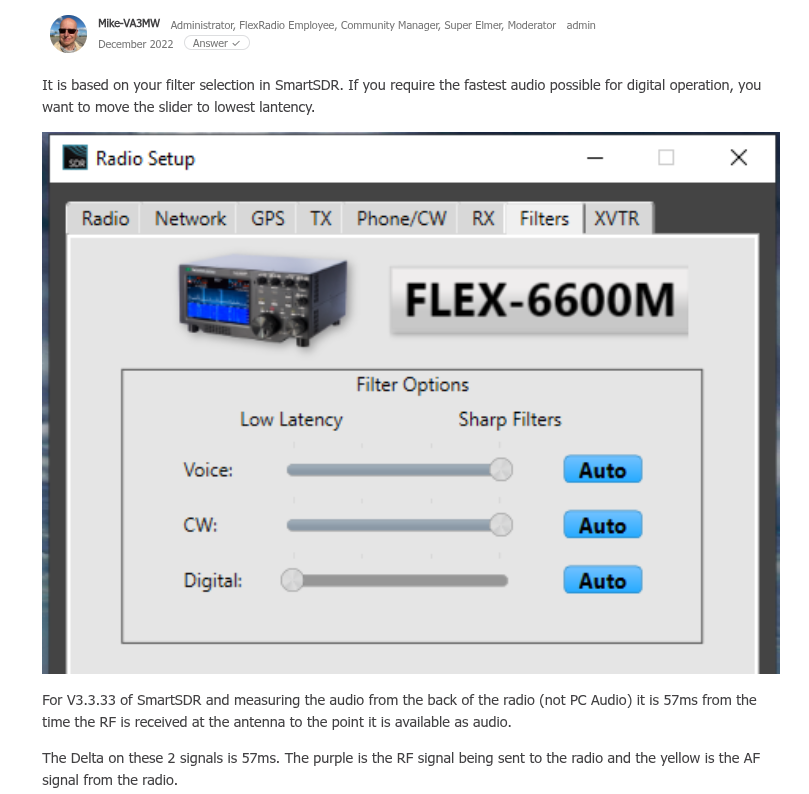
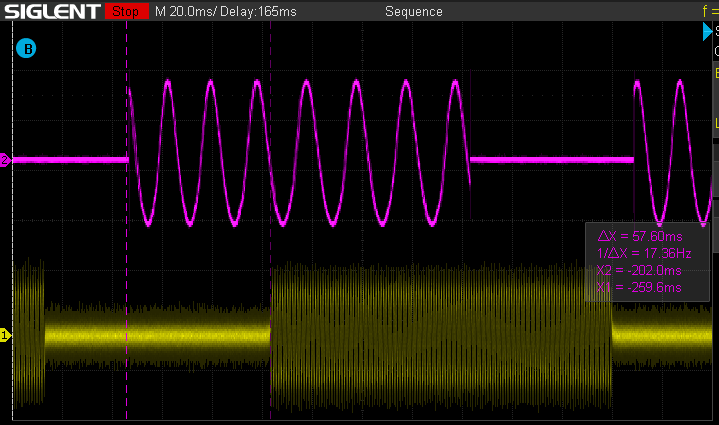

Thanks to Mike-VA3MW and W7NGA
Total latency measurement of the ERMAK-TT transceiver + EAX (USB)
Measurements were performed on a Windows 11 PC Host + VAC by Eugene Muzychenko. The original VAC from ERMAK can also be used. They provide slightly lower latency due to optimized buffers.
Important note - the original ERMAK VAC drivers are signed with a self-signed certificate. Therefore, driver signature verification must be disabled on the PC host.
- EAX audio control - release history
- EAX VAC Windows 10
- Installing and configuring EAX on WINDOWS
- Installing and configuring EAX on LINUX
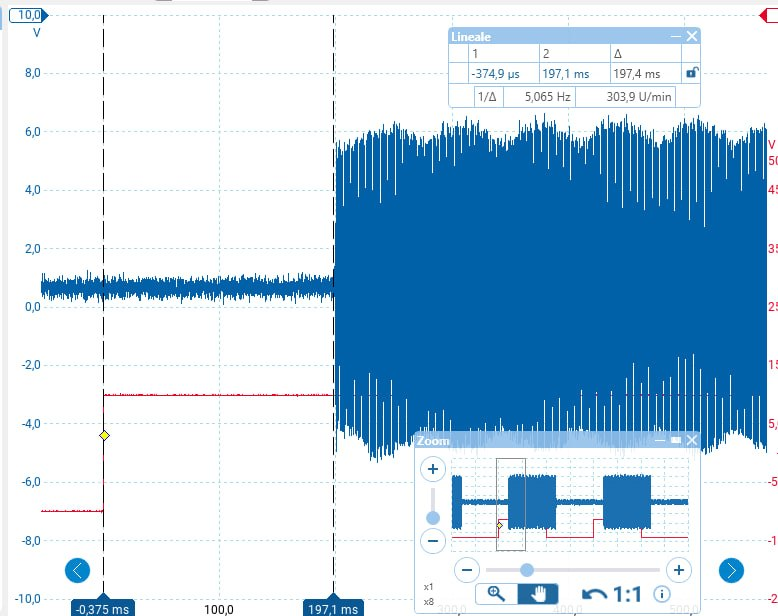
- Receive mode (RF modulator output -> EAX -> PC audio output): 197ms
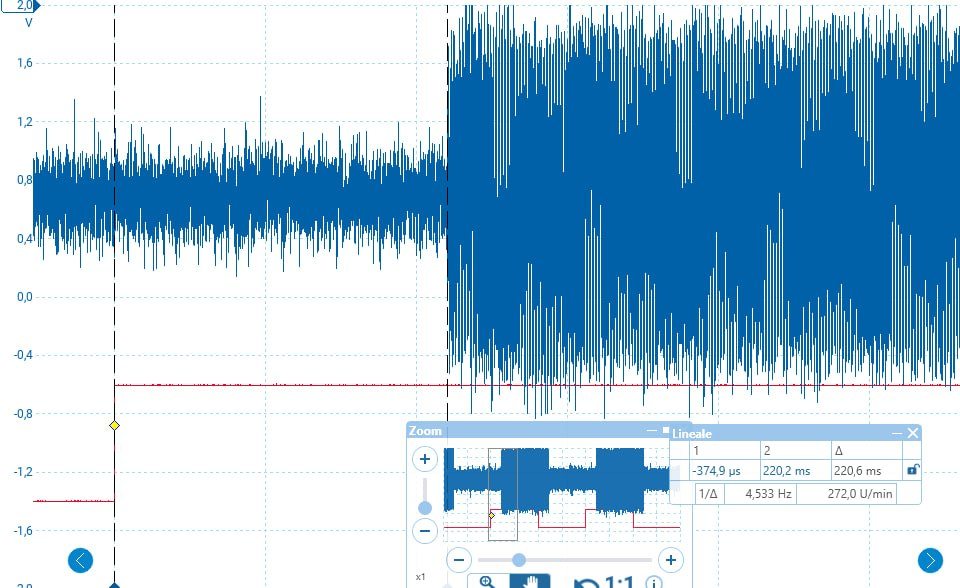
- Receive mode (RF modulator output -> USB audio -> PC audio output): 220ms
Total latency measurement of the ERMAK-TT transceiver + EAX (USB) and Flex radio in remote mode
Measurement program
- ERMAK-TT — local connection to PC + EAX
- FlexRadio — remote connection (~5000 km), RTT ~100 ms, DAX v2, "long" filters. Propagation speed ≈ 3×10⁸ m/s → latency over 5000 km (one-way) ≈ 16.7 ms; network RTT 100 ms → one-way ≈ 50 ms; total ≈ 67-70 ms margin
Measurement subject:
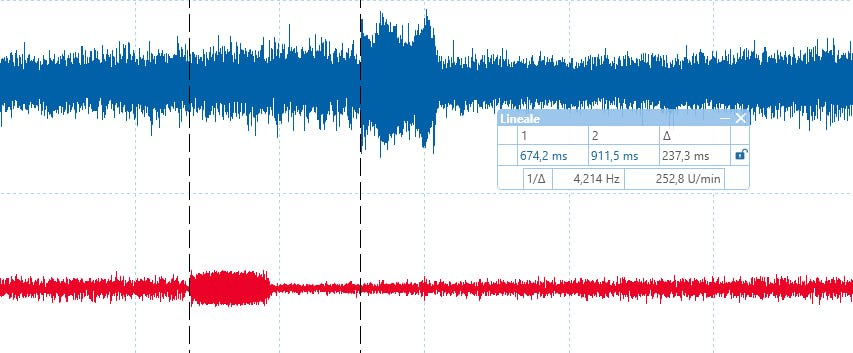
Reception of one-second pulses at 4999 kHz
- Red ERMAK-TT
- Blue - FLEX radio. "Fast" filters (51ms)
Result: 237ms-70ms=167ms, ERMAK-TT provides lower latency
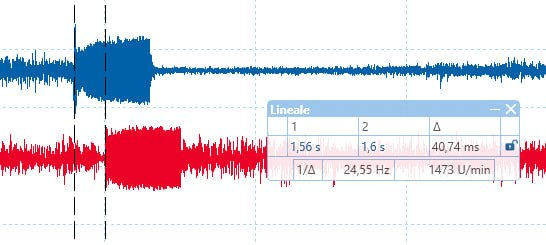
- Red ERMAK-TT
- Blue - FLEX radio. "Fast" filters (167ms)
Result: 40ms+70ms=110ms latency difference, FLEX radio provides lower latency
Conclusions
- When using short filters and DAX v1, the latency of FlexRadio and ERMAK-TT(Phoenix) + EAX) is approximately comparable.
- The main contribution to latency in DAX v1 comes from the audio stack buffers and the VAC driver; in DAX v2 this contribution has been substantially reduced thanks to the redesigned VAC.
- In DAX v1, the original VAC — Virtual Audio Cable by Eugene Muzychenko was used. (https://community.flexradio.com/discussion/8027376/smartsdr-2-8-1-and-bsod)
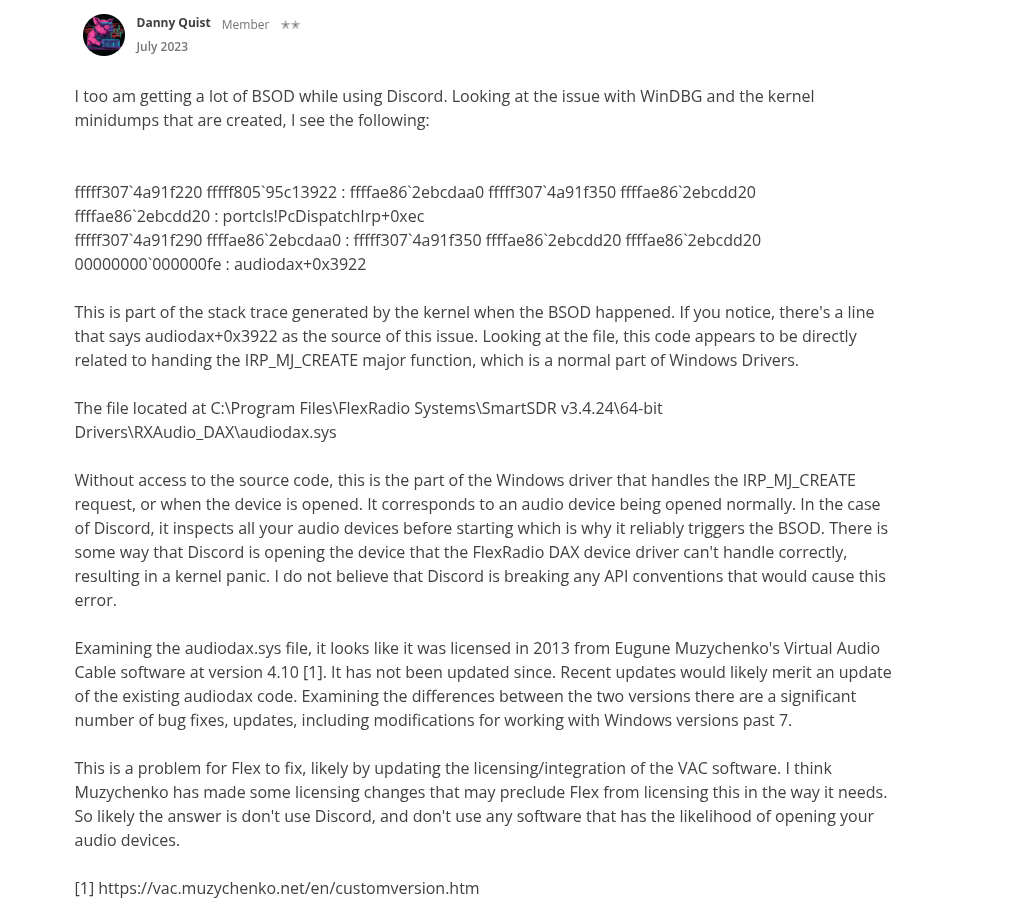
- In DAX v2, a solution based on Thin Audio Gateway (the same author) is used, which provides smaller buffers and lower latency.
- DAX v2 delivers a latency improvement of approximately ~100 ms compared to DAX v1.
- We plan to migrate to a similarly architected VAC/low-latency audio engine by autumn 2026.